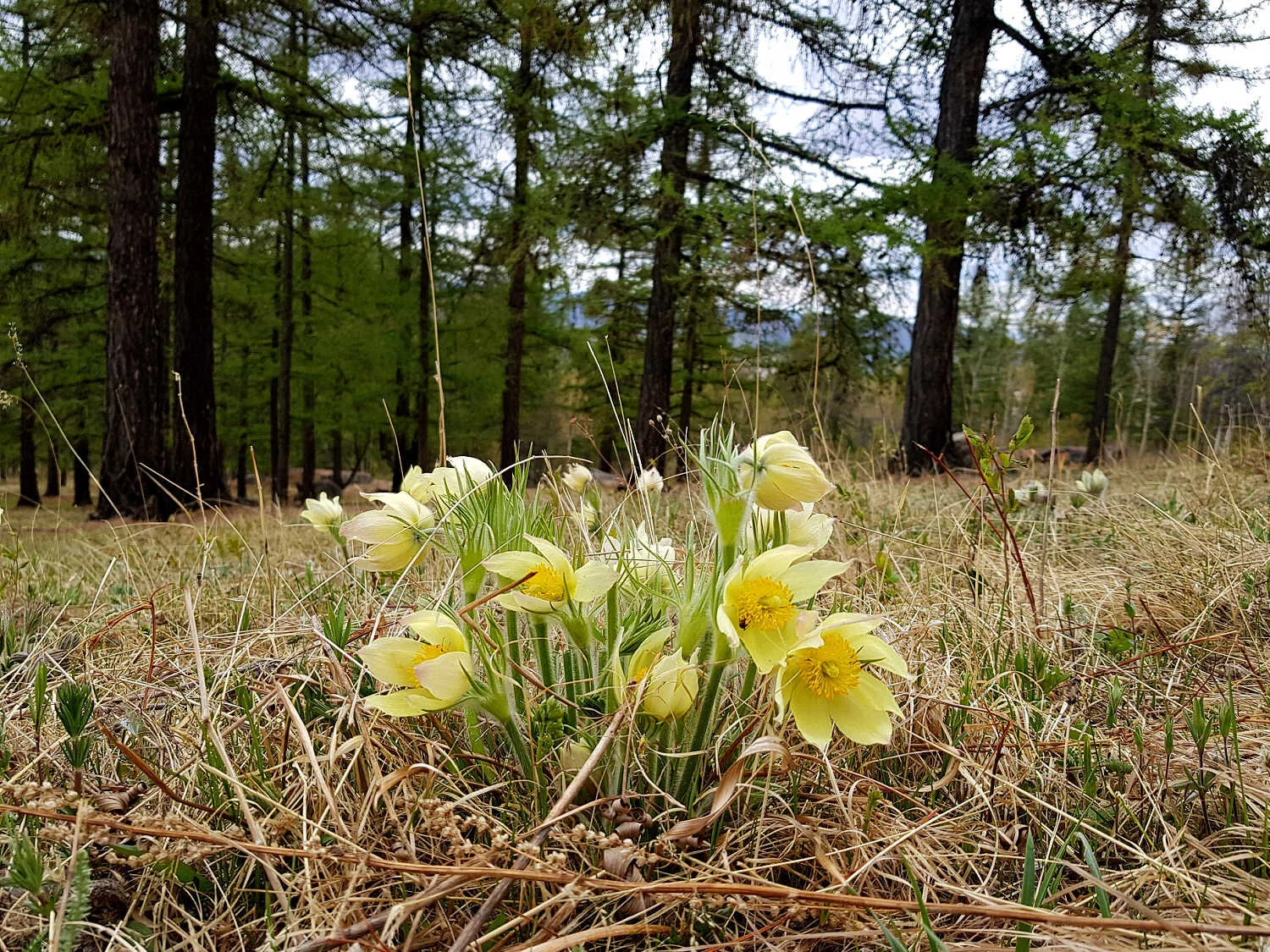
Mongolia Embraces Spring as May Arrives
Almost May in Mongolia marks a pivotal moment in the nation's annual calendar, signaling the transition from the long, harsh winter to the much-anticipated spring season. This seasonal shift brings dramatic changes to the Mongolian landscape, weather patterns, and daily life of its people. As temperatures begin to rise and snow gradually melts across the vast steppes, communities throughout the country prepare for renewed agricultural activities and traditional spring celebrations.
Weather Transformation and Climate Changes
The arrival of late April and early May in Mongolia typically brings increasingly warmer days, with average temperatures rising from freezing winter lows to more moderate ranges. The Mongolian winter, known as one of the harshest in the world, finally begins to release its grip on the country. Herders and farmers eagerly anticipate this seasonal change, as it allows them to transition their livestock to fresh pastures and begin spring planting activities essential for the nation's agricultural economy.
Cultural Significance and Celebrations
May in Mongolia carries deep cultural significance, particularly with the approach of Naadam Festival season planning and spring-related traditional ceremonies. Mongolian communities prepare for outdoor celebrations, horse racing festivals, and other cultural events that showcase the nation's rich heritage. Families gather to celebrate the renewal of nature and the survival through another challenging winter, with traditional foods and festivities becoming common throughout the country.
Economic and Agricultural Activities
The spring season is crucial for Mongolia's economy, particularly for the herding communities that form the backbone of rural society. As May approaches, herders move their livestock to spring pastures, a practice integral to Mongolian pastoral traditions. Agricultural workers prepare fields for planting, while tourism activities increase as weather conditions become more favorable for visitors exploring Mongolia's natural landscapes.
Impact on Daily Life
The approaching May brings visible changes to Mongolian cities and countryside alike. Residents emerge from their winter hibernation to engage in outdoor activities, children return to outdoor play, and construction projects that were halted during winter resume operations. Markets become more vibrant with fresh produce appearing as spring vegetables begin to grow, improving dietary variety after winter months.
Almost May in Mongolia represents hope, renewal, and the cyclical nature of life in this vast Central Asian nation, where seasonal changes profoundly shape cultural practices and economic activities throughout the year.


